Bariatric surgery in Colombia is today one of the most sought-after options for international patients who have exhausted conventional obesity treatments and are looking for a procedure backed by rigorous clinical standards. This is not a recent trend: Colombia has spent more than a decade developing high-volume bariatric programs, with specialized surgeons, consolidated multidisciplinary teams, and clinics that operate under the same protocols required by international accreditation bodies.
This article explains what each procedure includes, what makes Colombia a reference destination for bariatric surgery, how the follow-up program works, and what steps to take to coordinate the entire process from your home country.
What Is Bariatric Surgery and What Procedures Are Performed in Colombia?
Bariatric surgery encompasses a group of surgical interventions designed to treat severe obesity by modifying the digestive system. It is not an aesthetic solution: it is a medical treatment indicated when the body mass index exceeds certain thresholds or when obesity is generating comorbidities such as type 2 diabetes, hypertension, or sleep apnea.
The most common procedures performed in Colombia are the following:
- Gastric sleeve (sleeve gastrectomy): the stomach is reduced by up to 80%, limiting intake capacity and modifying hunger hormone signals. It is the most widely performed bariatric procedure worldwide.
- Roux-en-Y gastric bypass: combines stomach reduction with a rerouting of the small intestine. It has a greater impact on type 2 diabetes remission and is indicated in cases of greater metabolic complexity.
- Revisional surgery: for patients who had a previous bariatric procedure with insufficient results or complications.
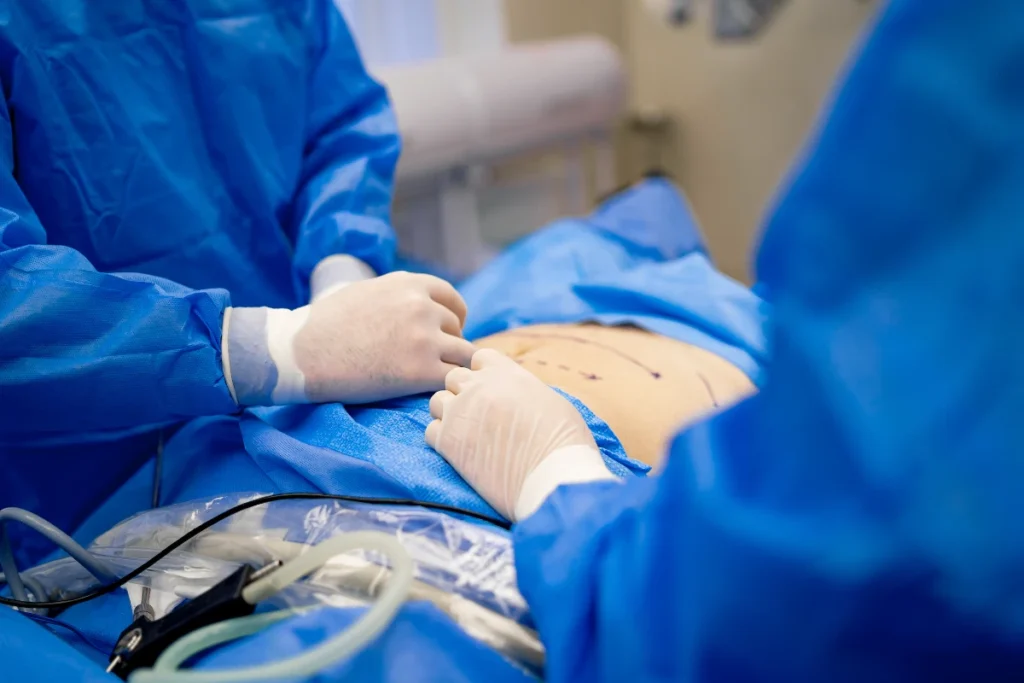
At Colombia's reference centers, all these procedures are performed laparoscopically — minimally invasive — and in selected cases with robotic assistance, which reduces surgical trauma and accelerates recovery.
Bariatric Surgery in Colombia: The Backing of the Multidisciplinary Program
The element that most sets Colombia's reference bariatric programs apart is not the surgical act itself: it is the multidisciplinary program that surrounds it before and after the operation. Bariatric surgery performed without that support has significantly lower rates of sustained success. The best centers in Colombia know this, and that is why they structure their offering around that model.
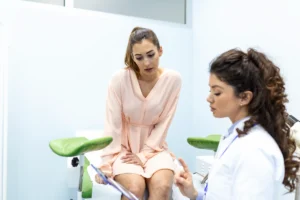
Before surgery, the patient goes through evaluations with a bariatric surgeon, an internist, a nutritionist, and a clinical psychologist. That process serves to confirm the procedure's indication, identify individual risks, and prepare the patient for the habit changes that surgery requires in order to work long-term. No surgery takes place without that screening.
After surgery, follow-up continues for at least one year with periodic checkups, nutritional plan adjustments, and psychological support. For the international patient, this has an important practical implication: much of the post-operative follow-up is carried out remotely, via telemedicine, without needing to return to Colombia. The most comprehensive programs include this virtual follow-up as an integral part of the process — not as an add-on service.
La The Colombian Society of Gastrointestinal Surgery and Digestive Endoscopy (SOCGASTRO) brings together the country's reference specialists in bariatric surgery and establishes the clinical practice standards under which these programs operate.
Accreditation and Clinical Standards in Bariatric Surgery
As with other surgical specialties, institutional accreditation is the most objective quality indicator in bariatric surgery. The reference clinics in Colombia where these procedures are performed hold JCI accreditation or national accreditation from the Instituto Nacional de Acreditación en Salud (ICONTEC), which evaluates equivalent standards for the local market.
This translates into operating rooms with audited sterilization protocols, anesthesiology teams trained under international guidelines for patients with obesity — a subspecialty within anesthesiology that requires specific training — and post-surgical care units prepared to manage complications. Bariatric surgery has a risk profile that demands specific infrastructure, and that infrastructure exists in Colombia's accredited centers.
In our section medical specialists section you can review the profiles of bariatric surgeons we work with and request an initial evaluation of your case.
The Role of the Nutrition Team in Long-Term Success
One of the least visible but most decisive aspects of bariatric surgery is nutritional support. Surgery changes the digestive anatomy, but it does not automatically change habits — that part requires education, follow-up, and continuous adjustment.
Colombia's reference bariatric programs include nutritionists specialized in post-bariatric metabolism who work with the patient from the pre-operative phase. The nutrition plan evolves in phases: liquids, semi-solids, and solids, with a gradual transition that can extend up to six months after surgery. For the international patient, this nutritional follow-up continues remotely and is part of the program coordinated by the treating team — not something the patient has to figure out on their own after returning home.
How Many Days Do You Need in Colombia for Bariatric Surgery?
Trip planning is one of the most concrete points international patients need to resolve before making a decision. For an uncomplicated gastric sleeve or gastric bypass, the typical schedule is as follows:
- Days 1–3: pre-operative in-person evaluations, laboratory tests, and confirmation of the surgical plan
- Days 4–7: surgery and immediate post-operative hospitalization
- Days 8–14: recovery at accommodation near the clinic, with outpatient checkups
- Day 14–15: clearance for air travel, subject to the treating surgeon's assessment
Most bariatric programs in Colombia recommend a minimum of 12 to 15 days in the country to ensure that initial recovery takes place under direct medical supervision. The rest of the follow-up — which can extend up to one year — is managed remotely. For the recovery weeks in-country, the Salud sin Fronteras blog has a guide on best places to stay in Medellín after a medical procedurewith options designed specifically for patients in recovery.
How to Coordinate Your Bariatric Surgery in Colombia from Abroad
The process for an international patient considering bariatric surgery in Colombia follows a sequence that is worth understanding from the start. First comes the virtual evaluation consultation, in which the surgeon reviews the medical history and previous studies and determines whether the patient is a candidate and which procedure is indicated. That consultation can be held from any country before booking the trip.
Once the indication is confirmed, the trip logistics are organized: dates, recovery-appropriate accommodation, transport between the airport and clinic, and coordination of tests that can be brought from the home country to optimize time in Colombia. That logistical process is exactly what a medical coordination service resolves. You can review everything we offer in our services section for international patients.
If you are evaluating bariatric surgery in Colombia and want to understand whether you are a candidate and how the process would work in your specific case, the first step is an initial consultation. Write to us from our contact page and we will connect you with the right team for your situation. contact page y te conectamos con el equipo adecuado para tu situación.